
Africa’s rich biodiversity and cultural heritage are under constant threat from human activity and climate change. Sustainable tourism offers a solution by balancing the needs of conservation, communities, and travelers.
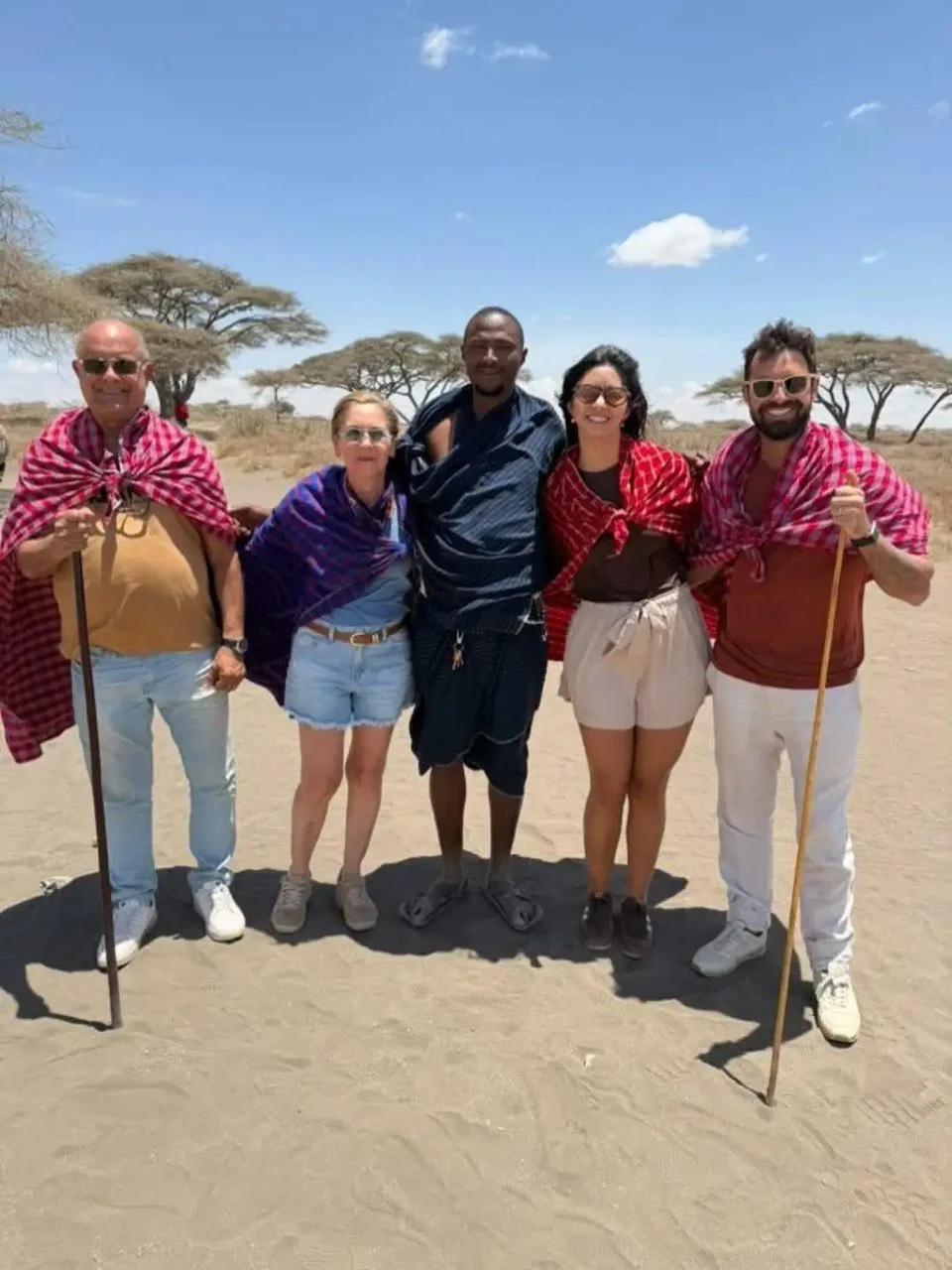
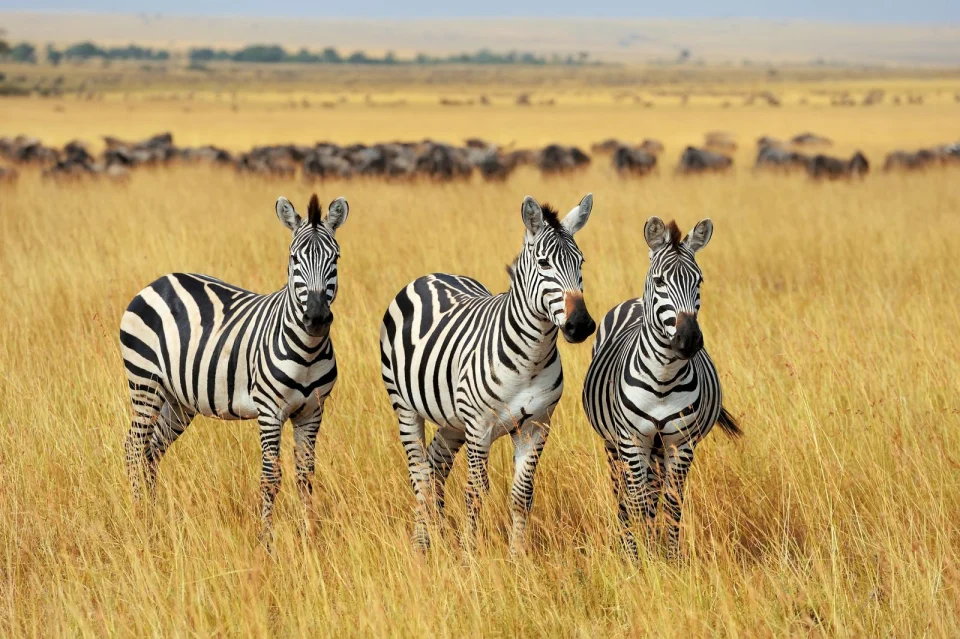
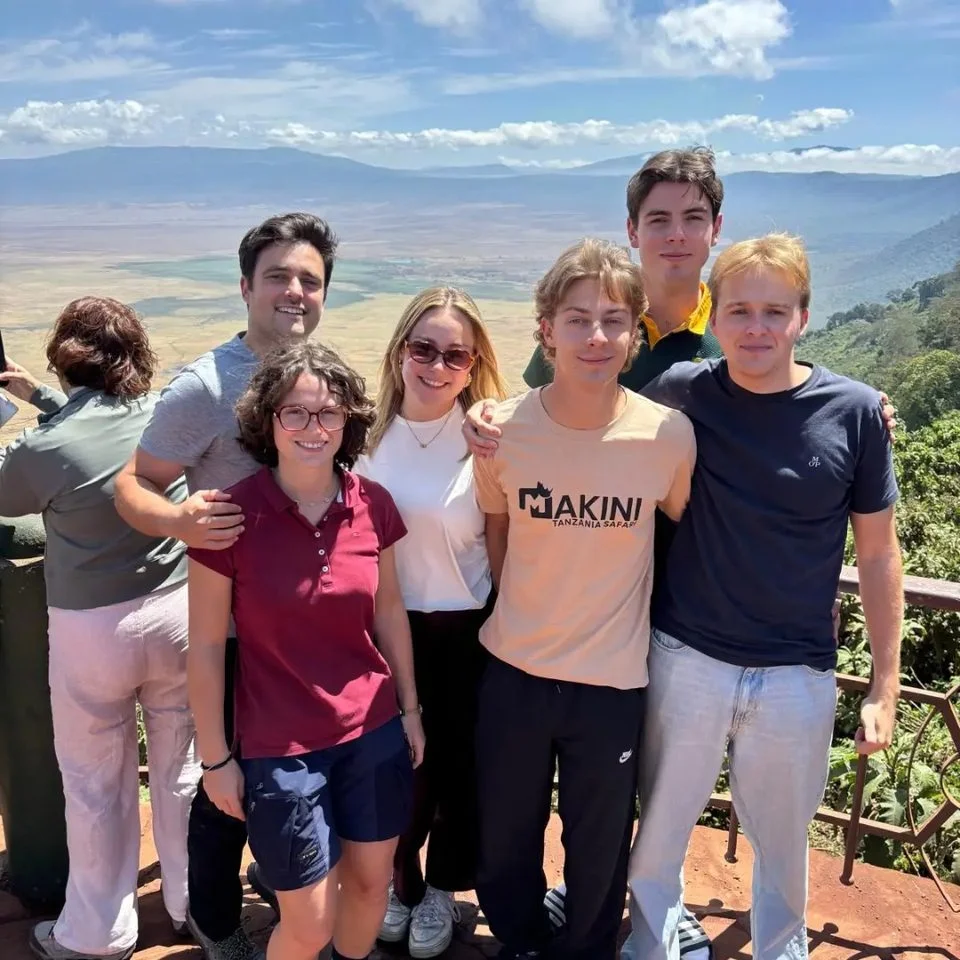
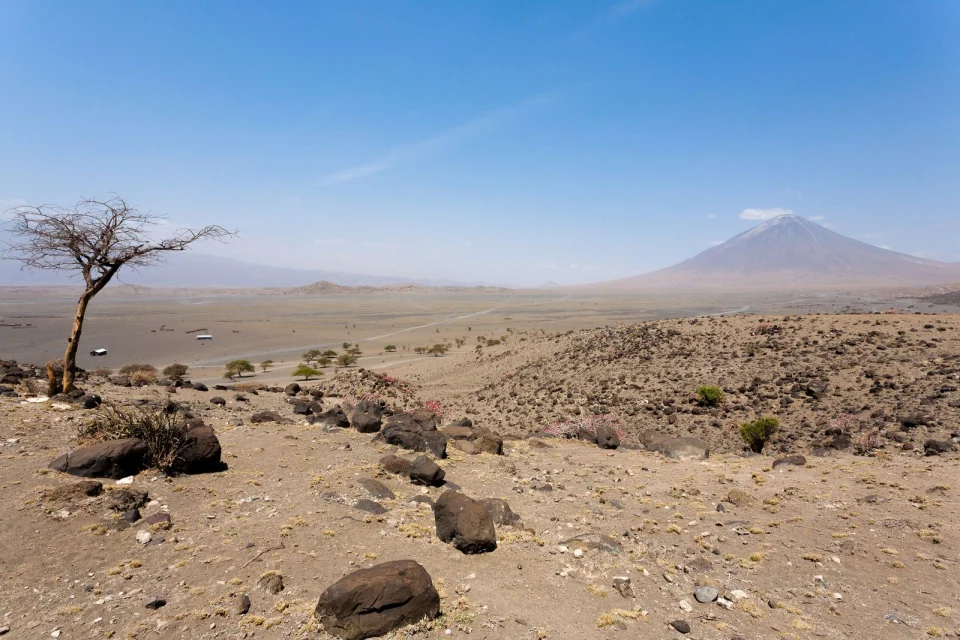
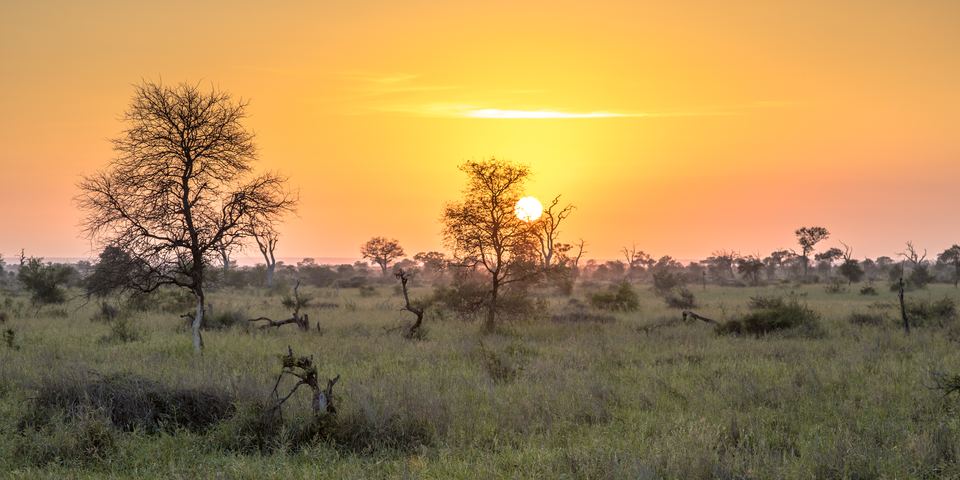
By prioritizing eco-friendly accommodations, supporting local economies, and adhering to ethical wildlife practices, travelers can protect Africa’s unique landscapes and traditions. Whether you are watching the herds in the Serengeti or visiting a Maasai village near the Ngorongoro Crater, responsible tourism ensures that Africa’s treasures endure for future generations.
The Value of Africa’s Biodiversity
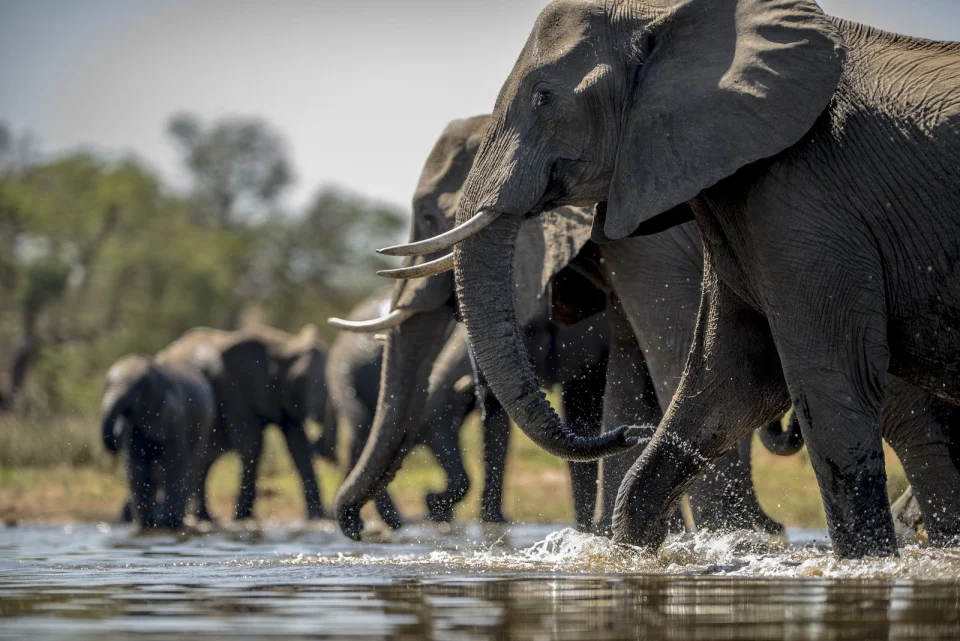
Africa’s biodiversity is unparalleled, making it one of the most vital ecosystems on the planet. The continent is home to an estimated 25% of the world’s mammal species and a vast array of plants, birds, reptiles, and marine life. From the iconic African elephants and cheetahs to the critically endangered mountain gorillas, Africa’s biodiversity supports ecological balance, sustains human livelihoods, and is a cornerstone of its vibrant tourism industry.
1. Ecological Importance
Africa’s ecosystems are interconnected, and its wildlife plays a critical role in maintaining ecological balance. For example:
- Elephants help shape savanna ecosystems by dispersing seeds and maintaining open habitats.
- Predators like cheetahs and lions regulate prey populations, ensuring healthy ecosystems.
- Pollinators, such as birds and insects, support agriculture and natural plant growth.
2. Economic and Tourism Value
Wildlife tourism in Africa generates billions of dollars annually, with safaris and conservation-focused travel drawing millions of visitors worldwide. This industry provides funding for conservation, local communities, and infrastructure development, showcasing the tangible value of biodiversity.
Threats to Wildlife and Culture
1. Habitat Destruction
- Deforestation and Urbanization: Expanding agriculture, logging, and infrastructure development are encroaching on wildlife habitats, fragmenting ecosystems and displacing species. Forests in regions like the Congo Basin, for instance, are rapidly shrinking.
- Climate Change: Rising temperatures and altered rainfall patterns disrupt ecosystems, threaten food sources for wildlife, and impact water availability.
2. Loss of Cultural Traditions
- Globalization: Rapid modernization often sidelines indigenous traditions and practices, including the sustainable ways of life that have coexisted with Africa’s ecosystems for centuries.
- Decline in Indigenous Knowledge: Knowledge passed down through generations about resource management, medicinal plants, and coexistence with wildlife is increasingly at risk of being lost.
How Sustainable Tourism Helps
Sustainable tourism can act as a powerful tool in addressing these challenges by providing benefits for both biodiversity and local communities:
1. Funding Conservation Programs
Tourism revenue directly supports conservation projects through:
- Park Fees and Permits: Funds go toward wildlife research, anti-poaching efforts, and habitat restoration. For example, gorilla trekking permits in Rwanda and Uganda finance mountain gorilla conservation programs.
- Private Conservation Reserves: Many lodges and reserves operate eco-tourism ventures, reinvesting profits into protecting their lands and the wildlife they host.
2. Job Creation and Poverty Reduction
Tourism offers employment opportunities that reduce reliance on environmentally destructive activities like poaching and deforestation. Examples include:
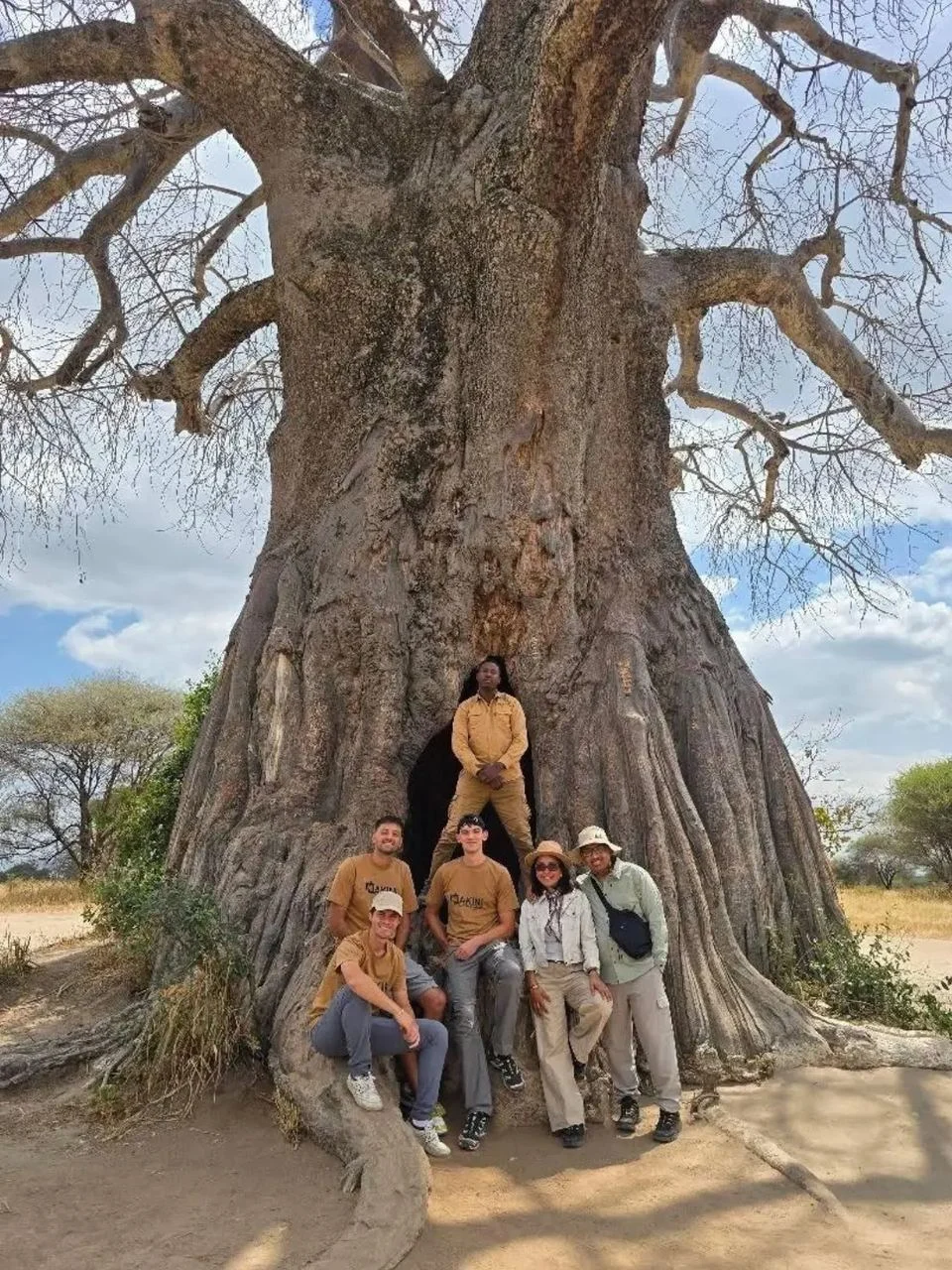
- Hiring local guides, rangers, and hospitality staff.
- Encouraging community-led tourism initiatives, such as cultural tours and craft markets.
3. Education and Awareness
Sustainable tourism fosters environmental awareness among both visitors and locals:
- Visitors gain knowledge about ecosystems, endangered species, and cultural heritage, inspiring them to become advocates for conservation.
- Local Communities learn about the long-term benefits of preserving their natural and cultural resources, leading to increased participation in conservation efforts.
Making a Lasting Impact
1. The Role of Travelers
By choosing eco-conscious options, travelers can directly contribute to Africa’s conservation goals:
- Stay in eco-lodges that prioritize sustainability and community engagement.
- Support certified tour operators that follow ethical practices, such as limiting off-road driving and reducing waste.
- Participate in conservation initiatives, such as tree planting or wildlife monitoring programs.
2. Building a Sustainable Future
Sustainable tourism not only ensures the preservation of Africa’s biodiversity but also empowers local communities to protect their environment and cultural heritage. Travelers who choose responsible options leave behind a legacy that benefits both the environment and future generations.
Whether it’s trekking to see mountain gorillas, learning about Maasai culture, or contributing to rhino conservation, every choice counts in preserving Africa’s incredible biodiversity and rich cultural heritage for years to come.
Would you like recommendations for sustainable tour operators or destinations in Africa that align with these values?