
Planning guide
Packing lists
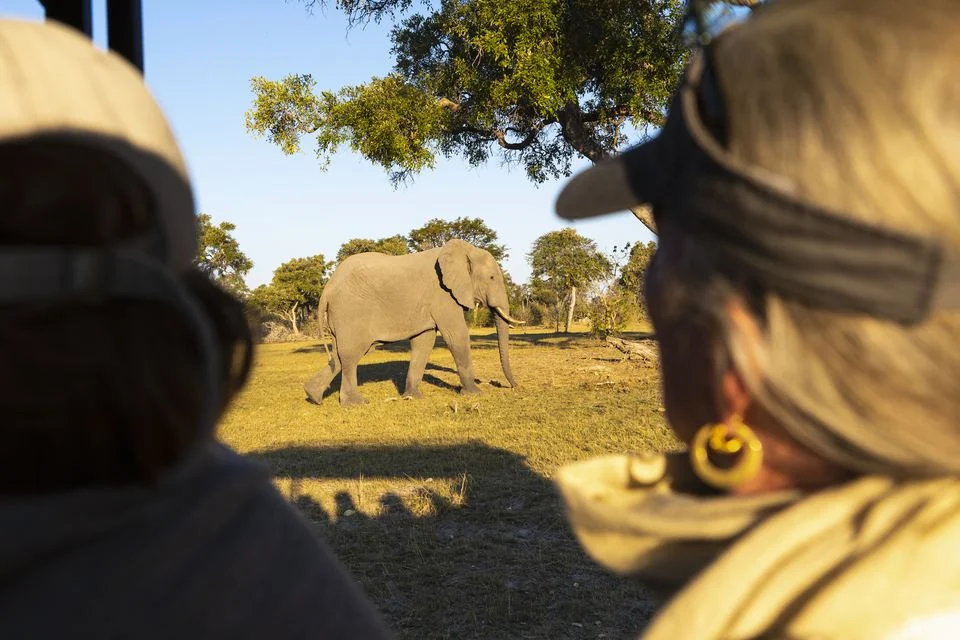
One list for safari, one for the mountain. Pack light, and warm for the early mornings and the summit night.
On safari
Safari packing list
Clothes
- Neutral colours: khaki, olive, beige
- Light long-sleeved shirts and trousers against sun and insects
- A warm fleece or jacket for early drives and the crater rim
- Comfortable closed shoes and sandals
- Swimwear if your lodge or Zanzibar has a pool
Gear
- Binoculars, one pair per person if you can
- Camera with a zoom lens and spare batteries
- Power bank and a universal adapter (UK-style sockets)
- Head torch for campsites
- Soft duffel bag (essential on bush flights)
Health
- Malaria tablets if your doctor advises them
- Insect repellent with DEET
- High-SPF sunscreen, lip balm, sunglasses, hat
- Personal medicines in your hand luggage
- Yellow fever certificate if you need one
Documents & money
- Passport valid six months after you leave
- Printed e-visa or US dollars for a visa on arrival
- Travel insurance details
- Recent, undamaged US dollar notes for tips (older notes are often refused)
- Copies of tickets and your itinerary
Luggage
Bags and weight on safari
Use a soft duffel bag. On fly-in safaris, bush planes usually allow about 15 kg per person including hand luggage. Leave extra bags at your hotel or with us in Arusha.
On the mountain
Mountain trekking packing list
For Kilimanjaro and Mount Meru. Nights near the summit drop well below freezing, so warm layers matter more than anything else.
Clothing layers
- Thermal base layers, top and bottom
- A fleece mid layer
- Hiking trousers and a quick-dry shirt
- Waterproof jacket and trousers
- Insulated down jacket for summit night
Warmth and sleep
- Four-season sleeping bag (rated −10 °C or lower)
- Warm hat, gloves and buff
- Warm socks, two or three pairs
- Liner gloves under warm gloves
Feet
- Broken-in waterproof hiking boots
- Gaiters for mud and scree
- Light shoes or sandals for camp
- Blister plasters
Gear
- Daypack of about 30 litres
- 2–3 litres of water capacity
- Trekking poles
- Head torch with spare batteries
- Dry bags or plastic bags to keep clothes dry
Sun, health and water
- Sun hat, sunglasses, high-SPF sunscreen
- Lip balm with SPF
- Water purification tablets
- Personal medication and a small first-aid kit
- Ask your doctor about altitude medication
Extras
- Snacks and energy bars for the long days
- Wet wipes and hand sanitiser
- Small towel and toiletries
- Camera and a power bank (no charging on the mountain)
- Cash for crew tips at the end of the climb
Porters and luggage
Bags and weight on the mountain
Pack what the porters carry in one soft duffel bag of about 15 kg, and carry a daypack yourself with water, snacks, a warm layer and rain gear for the day.
Leave everything you don’t need on the mountain at your hotel or with us in Arusha. Ask us if you need to hire a sleeping bag, jacket or poles in Arusha.
Good to know
FAQs
Do I need a sleeping bag on a camping safari?
No. Tent, mattress and sleeping bag are included on our camping safaris.
Can I wear bright colours on safari?
Neutral colours are better: khaki, olive and beige. Avoid dark blue and black, which attract tsetse flies in some parks.
How cold is it on Kilimanjaro?
On summit night it is usually well below freezing, often with wind. A four-season sleeping bag, a down jacket, warm gloves and a hat are essential.
Can I rent trekking gear in Arusha?
Ask us when you book. Tell us what you are missing and we will tell you what can be arranged before the climb.

Plan your trip
More planning guides
- Best time to visitMonth by month: herds, rain and prices
- Visa & entryE-visa, visa on arrival, passports
- Tipping guideGuides, cooks and porters
- How booking worksFive steps to a confirmed trip
- Payment detailsCard, bank transfer, cash
- Safety & guaranteeGuides, vehicles, support
- FAQStraight answers before you book
- Contact usWhatsApp, phone, email, office
Ready to plan?
Tell us your dates and who’s travelling. Our team in Arusha will send a full itinerary and price, usually within a day.